5 hr 15 min
Tsukiji Fish Market Sushi Workshop with Master Chef
Roll nigiri and maki alongside a professional sushi chef in the heart of Tokyo's legendary fish market
Reserve
Roll nigiri beside the market that fed a nation, guided by chefs who shaped its legacy
Hand-picked by our editors — only the best 3 experiences from 12 reviewed
Verified partners for Tsukiji Sushi Making Class tours, free cancellation where available, and instant confirmation on every booking.
5 hr 15 min
Roll nigiri and maki alongside a professional sushi chef in the heart of Tokyo's legendary fish market
Reserve
2 hr
Explore Tokyo's legendary seafood hub with an expert guide and discover culinary traditions spanning eight decades
Reserve
1 hr 30 min
Dive into Tokyo's legendary food market with an insider who knows every stall worth stopping at.
ReservePrices from verified partners. Availability updates in real time at checkout. Free cancellation policies apply where shown.
The landmarks, rooms, and views travelers on Tsukiji Sushi Making Class tours remember — all visible on a single visit.
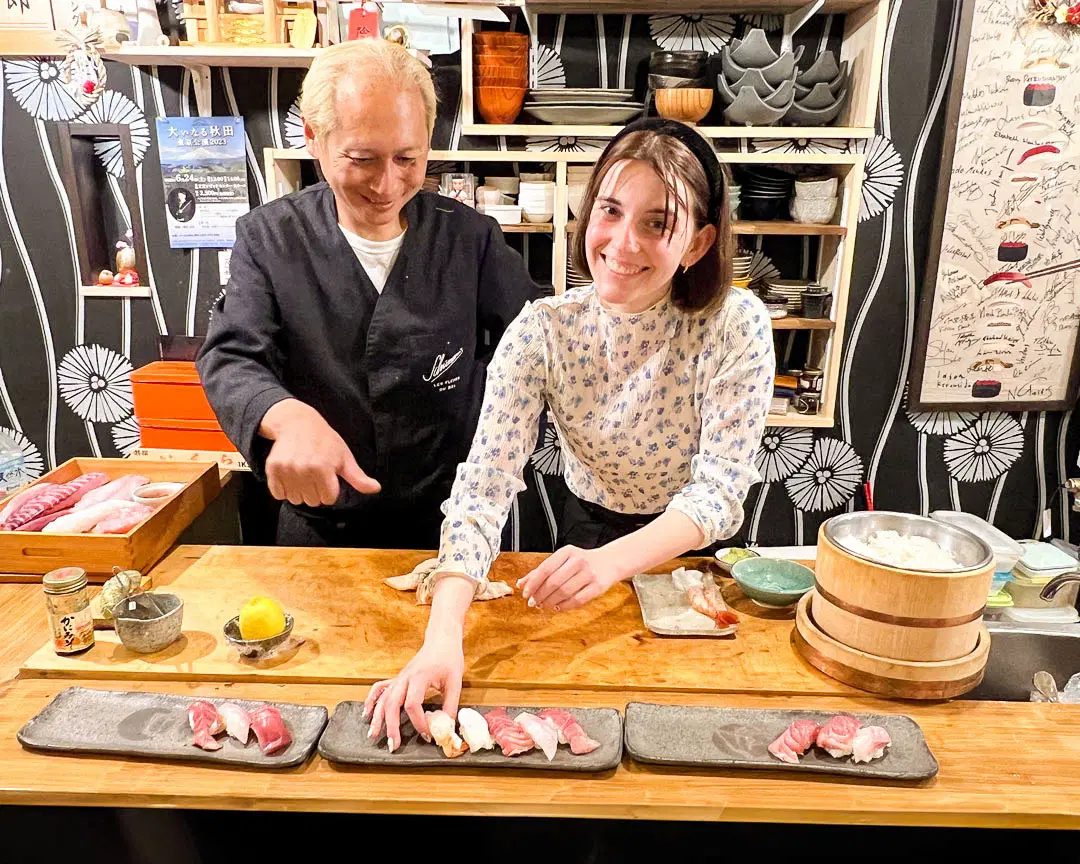
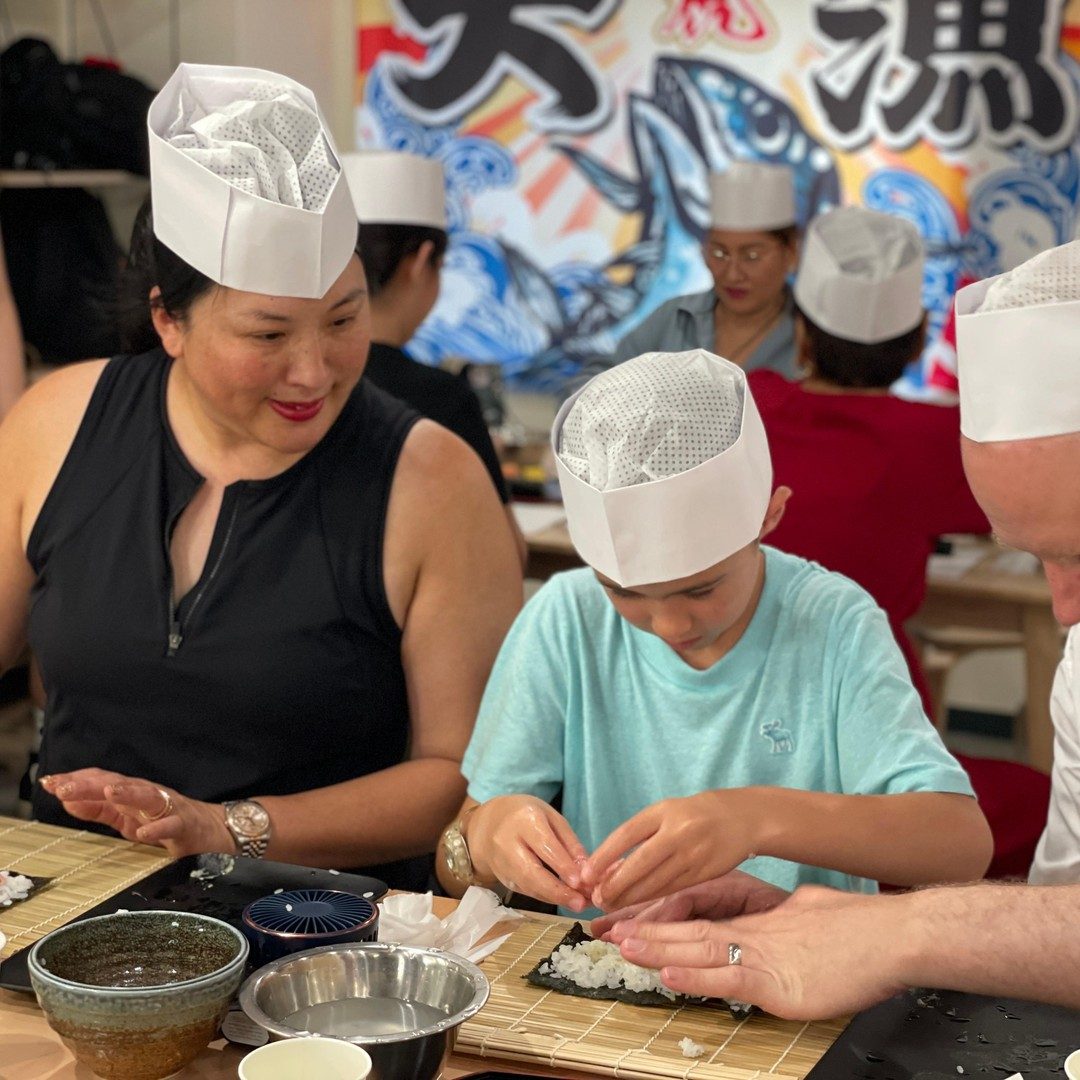
Learn the precise art of seasoning and fanning vinegared rice to achieve the perfect gloss.
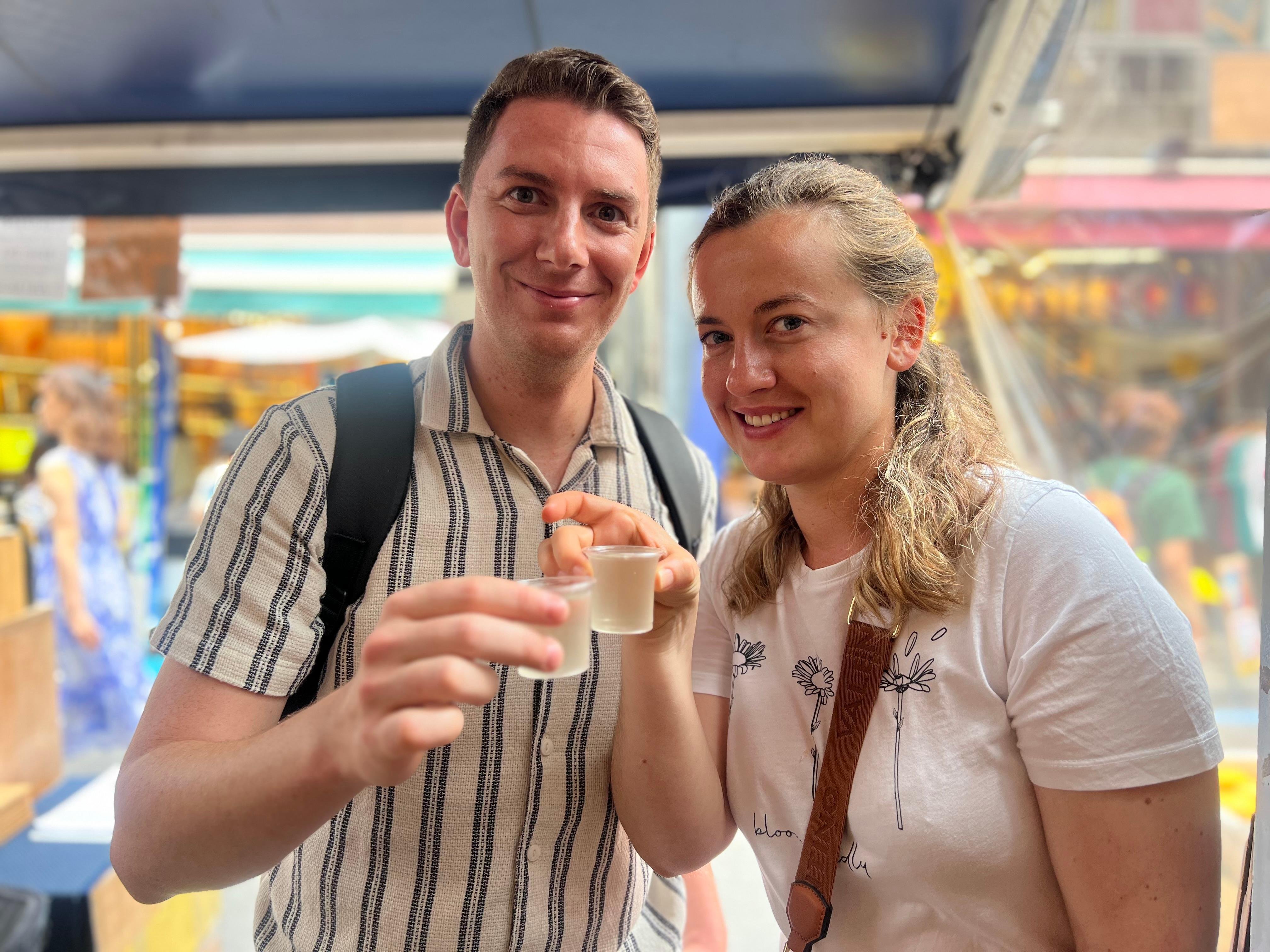
Witness the grating of real wasabi using traditional sharkskin tools during your tsukiji sushi making class.
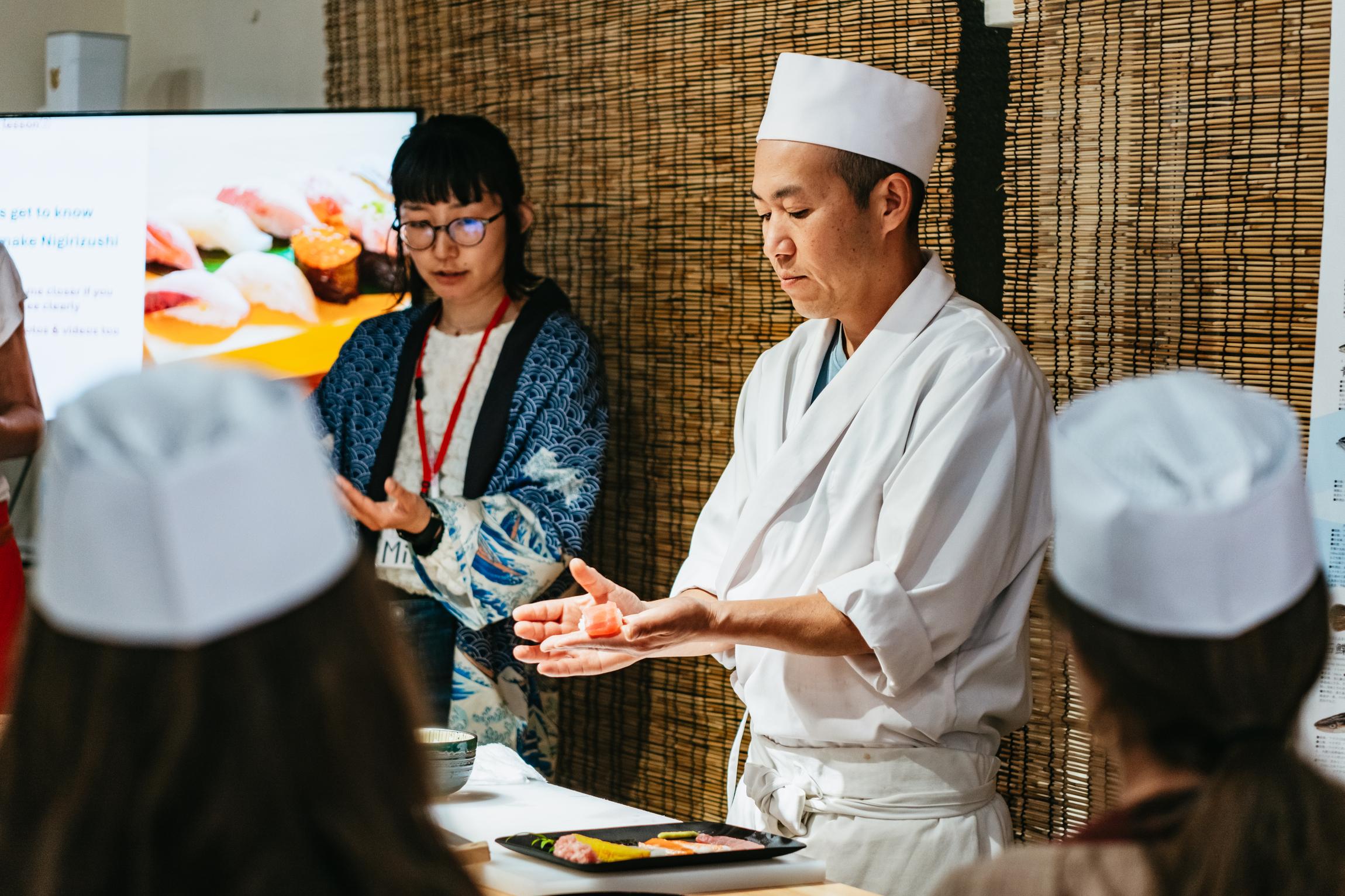
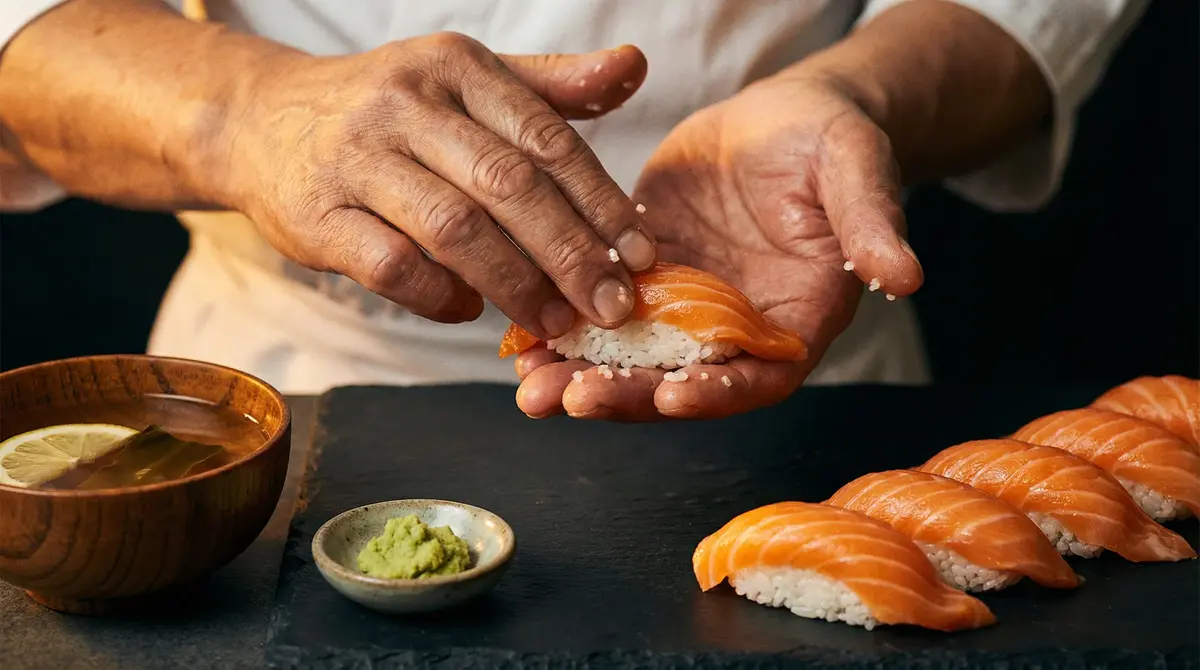
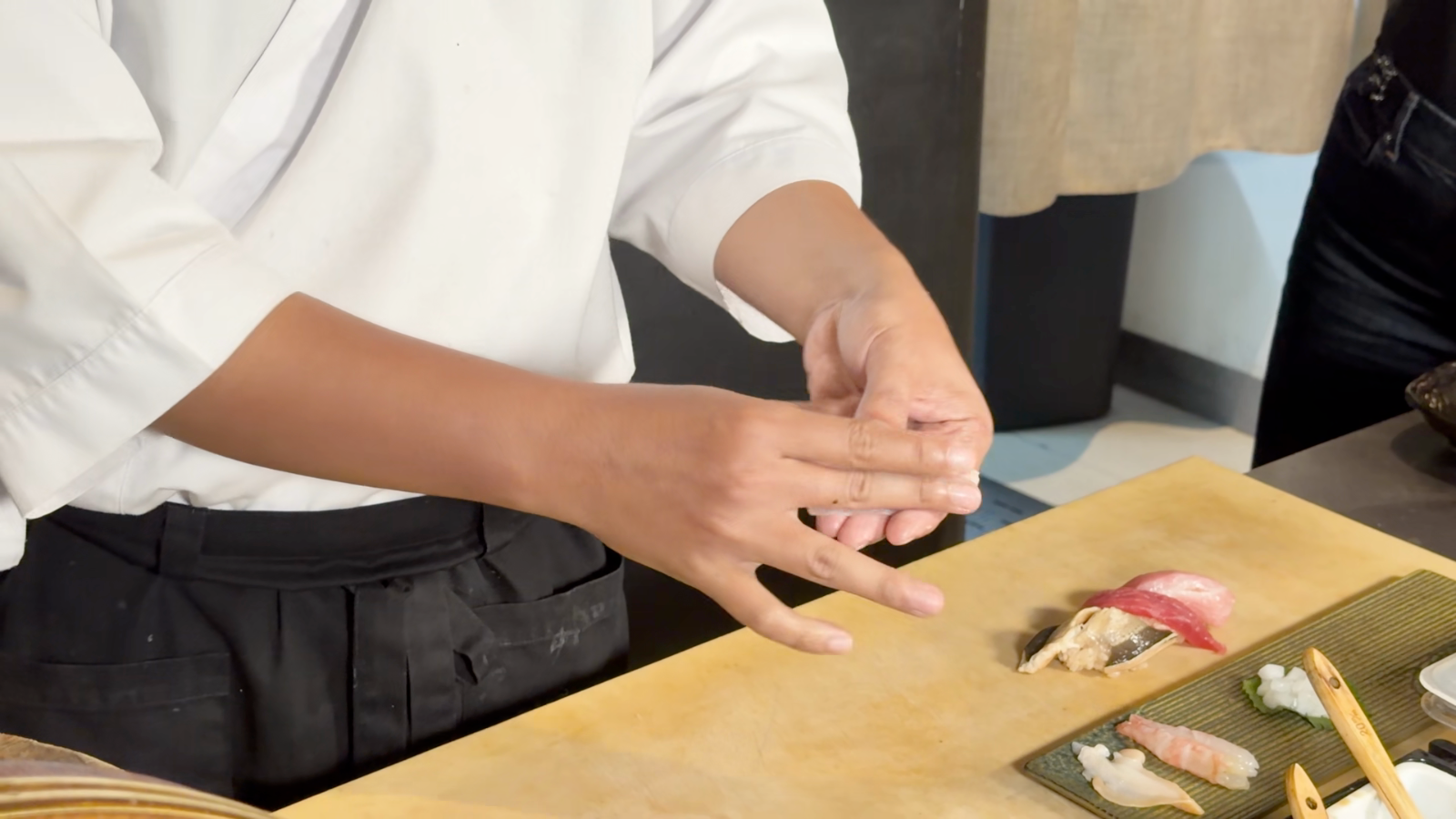
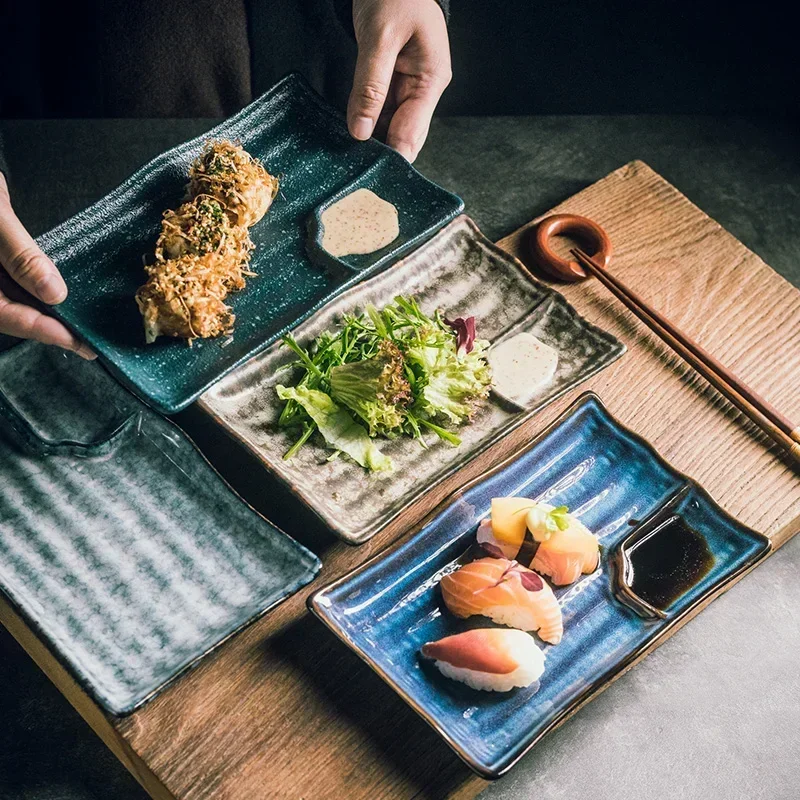
Master the hand-pressing techniques taught by a professional chef to shape fresh seasonal seafood.
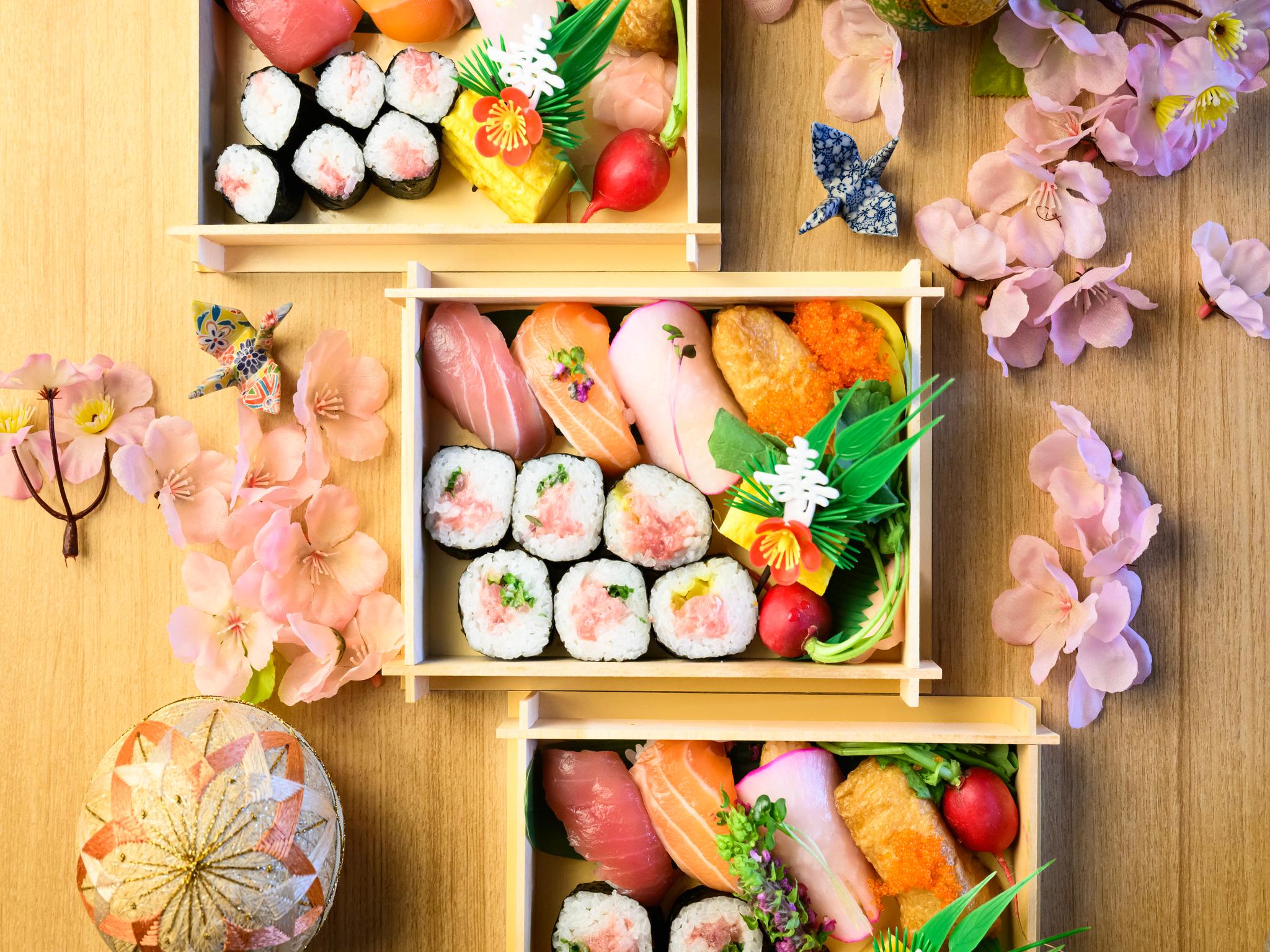
Create your own hand-rolled sushi using premium ingredients sourced directly from Tsukiji Outer Market.
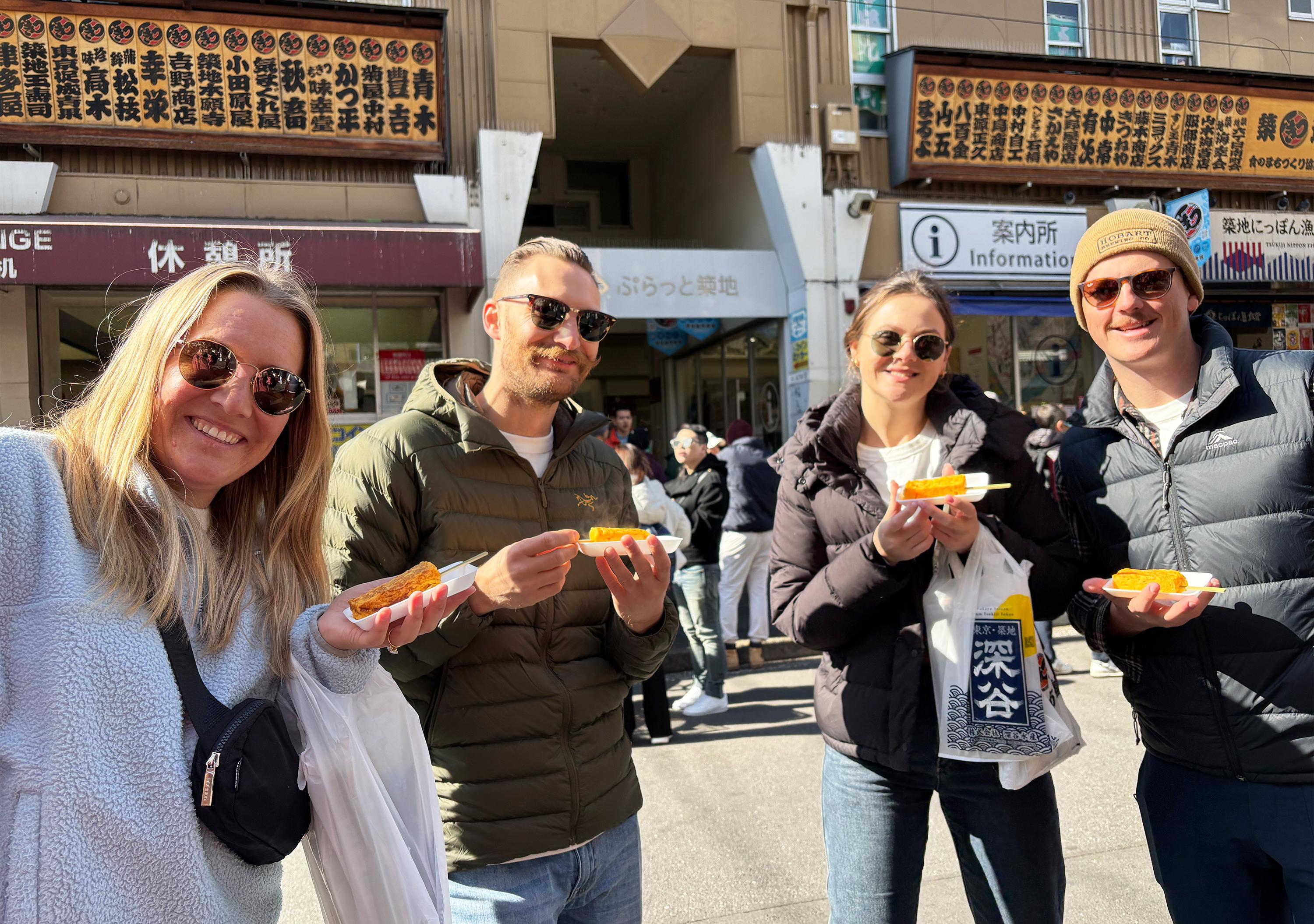
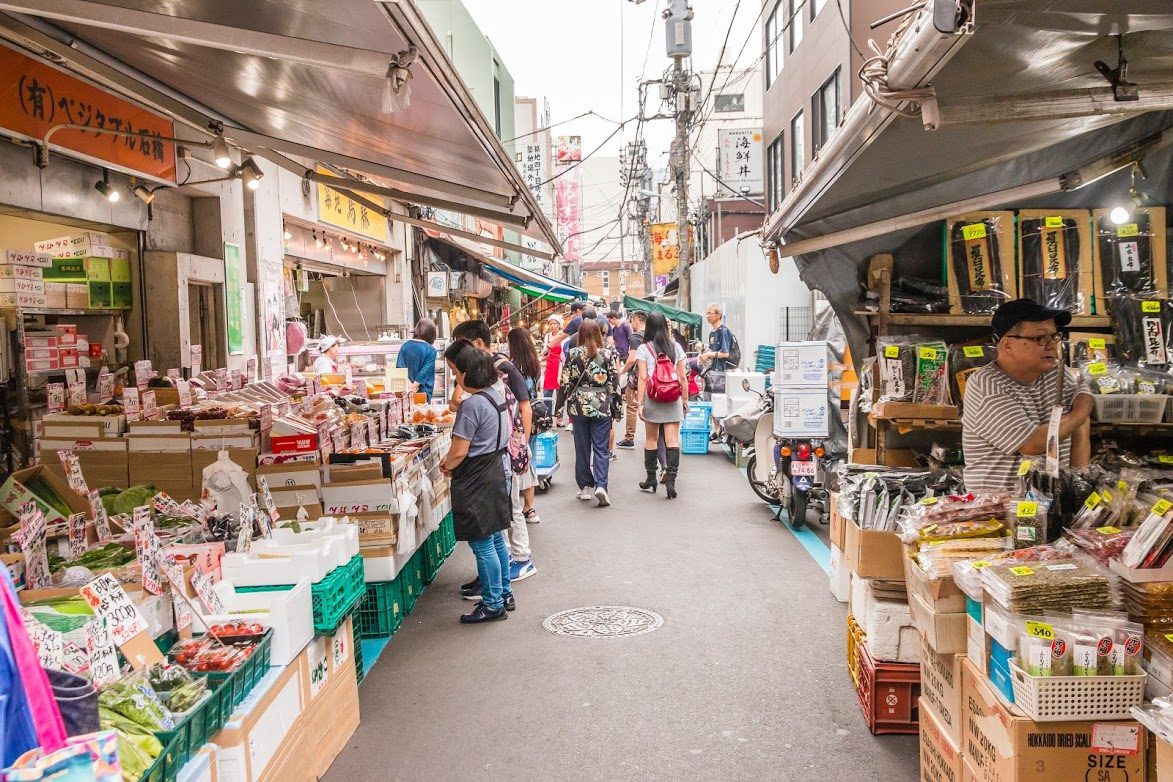
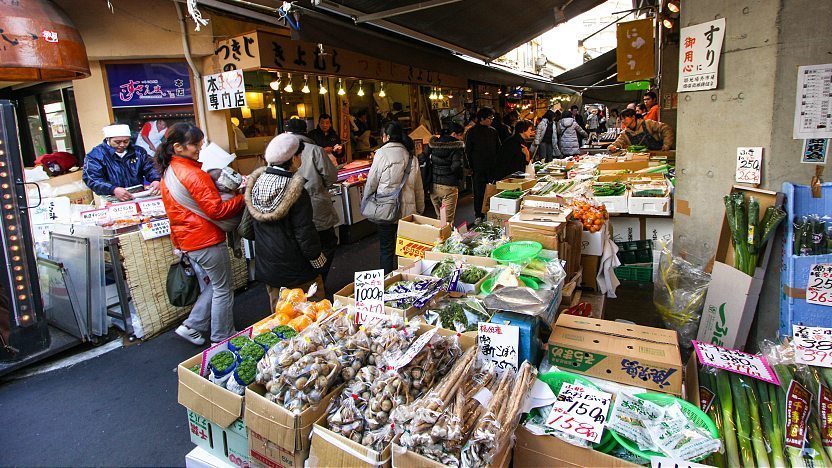
Explore the historic lanes of the outer market to discover how professionals select the freshest fish.
Every Tsukiji Sushi Making Class tour side-by-side — duration, what's included, how you redeem.
| Experience | Duration | Rating | Skip-the-line | Guide | Small group | Free cancel. | Price | |
|---|---|---|---|---|---|---|---|---|
|
Standard Entry Most popular
Tsukiji Fish Market Sushi Workshop with Master Chef
|
5 hr 15 min | ★ 4.9 | — | ✓ | — | ✓ | €45 | Book → |
|
Guided Experience
Tsukiji Fish Market Walking Tour with Local Guide
|
2 hr | ★ 4.8 | ✓ | ✓ | ✓ | ✓ | €11 | Book → |
|
Standard Entry
Tsukiji Market Food Tour with Local Guide
|
1 hr 30 min | ★ 4.9 | — | ✓ | — | ✓ | €11 | Book → |
All prices from verified partners. Availability and exact terms confirmed at checkout.
The tsukiji sushi making class tour provides an immersive culinary education, while the walking tour offers a broader overview of market heritage; most visitors find the workshop more engaging for active learners, whereas the walking tour serves travelers seeking expert narrative of this Tokyo landmark.
| Feature | Top pick Sushi Making Class | Walking Tour |
|---|---|---|
Focus area |
Culinary technique and preparation | |
Hands-on activity level |
High - active participation | |
Food volume |
Full meal preparation | |
Cultural depth |
Culinary traditions and ingredients | |
Best for |
Aspiring home chefs | |
Primary objective |
Learn sushi craft skills | |
| See tickets → |
Verdict: Choose the tsukiji sushi making class tickets for a hands-on experience, or opt for the walking tour to prioritize historical insights regarding the local seafood industry.
Choose your ticket, select your date, and reserve in under two minutes. Secure checkout handled by our verified partner.
Instant confirmation by email, with a mobile voucher you can save offline. No printing, no queuing at a collection desk.
Arrive at the entrance, show your voucher on your phone, and walk in. Most tickets include priority or skip-the-line access.
Practical details for Tsukiji Sushi Making Class tickets straight from our verified partners — hours, access, rules, and how to get there.
3-15-1 Tsukiji, Chuo City, Tokyo
Meet at the main entrance gate
Open in Google MapsTake the Hibiya Subway Line to Tsukiji Station, then walk 1 minute to the temple.
From Tsukijishijo Station on the Oedo Line, walk 5 minutes.
Casual and comfortable clothing is recommended for your tsukiji sushi making class. Please avoid loose sleeves that may interfere with food preparation.
Keep belongings minimal as there is no storage for large luggage during the tsukiji sushi making class. Carry only essential items.
Photography is permitted during the tsukiji sushi making class provided it does not disrupt the instructor or other participants.
Please inform the operator of any physical limitations before booking your tsukiji sushi making class. Most sessions require standing during prep.
Mobile phones should be set to silent during the tsukiji sushi making class. Limit usage to photography.
Families are welcome, though age restrictions often apply to ensure safety. Check the tsukiji sushi making class requirements for children.
The tsukiji sushi making class includes a meal prepared by participants. Please communicate any severe allergies at the time of booking.
Pets are not permitted in the kitchen or market tour areas of the tsukiji sushi making class.
Arrive 10 minutes before the start time of your tsukiji sushi making class. Follow instructions from your English-speaking guide.
3-15-1 Tsukiji, Chuo City, Tokyo
Meet at the main entrance gate
Get directionsBest time to go, insider tips, nearby landmarks, and the cancellation fine print — flip through to skim what matters to you.
How crowds, weather, and events shift across the year.
Mild temperatures make the walking portion of the tsukiji sushi making class very pleasant.
Expect high humidity; stay hydrated during the market tour segment.
Cooler weather and clear skies are ideal for walking through Tsukiji Outer Market.
Crisp air is perfect for enjoying hot miso soup after your sushi session.
Small details that turn a good visit into a great one.
Classes fill up quickly, so reserve your tsukiji sushi making class at least 3 days in advance.
You will be walking through the market before the cooking portion begins.
Notify the organizer about dietary restrictions as soon as you book.
Smaller shops in Tsukiji Outer Market may not accept cards.
Engage your guide about the history of the market and the origins of sushi.
Be respectful and ask before taking photos of market vendors or their products.
Non-bookable sights within a short walk — free to visit, easy to pair.
A bustling historic district filled with food stalls and shops.
An architectural marvel featuring unique Indian-inspired design.
Traditional landscaped gardens with a tidal pond.
Iconic venue for traditional Japanese performing arts.
Flexible, no hidden fees.
Reservations for a tsukiji sushi making class typically require advance notice for full refunds. Please verify specific terms via the official site as policies vary by booking platform.
Hand-picked options within walking distance — pick a district for vibe, or a specific hotel for convenience.
Wide range of hotels near the market and shopping centers.
Convenient options for early morning market access.
Upscale high-rise hotels with city views.
The Tsukiji Outer Market survived the 2018 relocation of the wholesale fish auction, emerging as Tokyo's most concentrated corridor of culinary tradition.
Where the inner market once processed 2,400 tons of seafood daily, the outer arcade of knife smiths, dried-goods purveyors, and fourth-generation tamago vendors still opens before dawn. The sushi making class conducted here each morning is not a tourist simulation—it is an apprenticeship compressed into three hours, taught by chefs who spent decades working the tuna auctions and neighborhood counters that defined modern sushi.
Tsukiji's instructors draw from a lineage that predates refrigeration. Edomae sushi, the style codified in this district during the Edo period, was engineered to preserve raw fish through vinegar curing, salt marination, and precise knife work. The tsukiji fish market sushi making class with pro chef begins with a guided walk through the outer market's stalls, where instructors name each species, explain seasonal grading, and demonstrate how to assess freshness by eye and touch. Participants handle the same tuna, squid, and amber jack that supply the neighborhood's working sushi-ya, then move to a private kitchen to break down fillets, cook and season shari rice, and plate nigiri under direct correction.
The format is intimate—classes cap at eight participants—and the instruction is granular. Chefs teach the angle of the knife for hirazukuri cuts, the gram-weight of rice per nigiri, and the wrist motion that forms a oval without compressing the grain. The tsukiji outer market sushi making class reveals what staged cooking demonstrations conceal: the physical difficulty of consistent knife work, the temperature sensitivity of seasoned rice, and the decade-long path from adequate to excellent. Graduates leave with a meal they assembled themselves, a recipe card annotated in the instructor's hand, and a tactile understanding of why Tokyo's sushi culture remains resistant to mechanization.
Every session concludes with a tasting comparison—participants eat their own nigiri alongside pieces prepared by the instructor, learning to identify the textural differences that separate amateur from professional work. The tsukiji market sushi making class is not designed to produce sushi chefs; it is designed to produce educated eaters who understand the labor behind each piece. In a city where conveyor-belt sushi and Michelin-starred omakase coexist within blocks of each other, this hands-on workshop offers the context that makes both experiences legible.

"The sushi making class conducted here each morning is not a tourist simulation—it is an apprenticeship compressed into three hours."
A step-by-step walkthrough of Tsukiji Sushi Making Class tickets — what you'll see, how long each stage takes, and the details that matter.
You arrive at Tsukiji Honganji Temple by 09:30, where your instructor—a former counter chef with thirty years in the trade—meets the group of eight.
The first hour unfolds in the outer market's narrow lanes, where you stop at a tuna wholesaler to learn how fat content determines grade, then visit a knife shop to handle a yanagiba blade and understand why sushi chefs sharpen daily. Your instructor buys the morning's fish from a vendor he has known for two decades, selecting cuts of salmon, mackerel, and sweet shrimp while explaining seasonal variation in texture and oil content.
Inside the teaching kitchen, you tie on an apron and take a station equipped with a wooden cutting board, a borrowed yanagiba, and a small mound of warm shari rice. The instructor demonstrates the hirazukuri slicing technique in silence, then watches as you attempt to replicate the angle and pressure. Your first cut is too steep; he adjusts your wrist without a word. You slice again. Over the next ninety minutes, you portion rice, form nigiri, and plate eight pieces under continuous correction. The repetition is deliberate—each cycle of cut, form, and plate builds muscle memory.
You sit to eat what you made, comparing your work to the instructor's reference plate. The differences are visible: your rice is slightly loose, your fish slices uneven in thickness. He nods, noting improvement in your final three pieces. You leave with soy-stained fingers, a recipe card, and a recalibrated sense of what constitutes mastery.
Classes typically operate from 09:30–12:30 daily.
Yes, the tsukiji sushi making class is designed for all skill levels, including absolute beginners.
No, all materials and professional tools are provided for you at the venue.
Yes, children aged 9 and older are generally welcome on a tsukiji sushi making class.
Photography is allowed during the class provided it does not interfere with the instructor.
Dress in comfortable, casual clothing and avoid loose sleeves for safety during your tsukiji sushi making class.
Cancellation policies vary; check the official site for terms regarding your tsukiji sushi making class tickets.
We recommend arriving between 09:30–12:00 to allow for market exploration before your session.
Yes, please notify the staff of any dietary needs at least 3 days before your tsukiji sushi making class.
Yes, the 15,000 JPY fee includes both the market tour and the cooking materials.